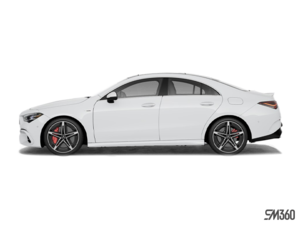

2026 Mercedes-Benz GLC: Suspension and Steering Systems
May 04 2026,

The Mercedes-Benz GLC has advanced suspension and steering systems designed to balance ride comfort, handling precision, and dynamic stability. These systems integrate mechanical components with electronic controls to adapt to varying driving conditions. The vehicle’s architecture supports both conventional and adaptive suspension configurations, along with an electronically assisted steering system.
Suspension System Overview
The suspension system in the Mercedes-Benz GLC is engineered to manage wheel movement, maintain tire contact with the road, and isolate the vehicle body from road disturbances.
Key Objectives
- Ride comfort
- Handling stability
- Vibration reduction
- Load distribution
Front Suspension: Multi-Link System
Design Configuration
The front suspension uses a multi-link layout, consisting of multiple control arms that manage wheel movement independently.
Components
- Upper and lower control arms
- Steering knuckle
- Coil spring or air spring
- Shock absorber (damper)
- Stabilizer bar
Functional Characteristics
The multi-link design allows:
- Precise control of camber and caster angles
- Improved steering response
- Enhanced ride quality
Rear Suspension: Multi-Link System
Configuration
The rear suspension also uses a multi-link arrangement, optimized for stability and comfort.
Components
- Multiple lateral and longitudinal control arms
- Coil springs or air springs
- Dampers
- Anti-roll bar
Performance Benefits
- Independent wheel movement
- Improved traction
- Reduced body roll
Adaptive Damping System
System Overview
Many configurations of the Mercedes-Benz GLC include an adaptive damping system, which adjusts shock absorber stiffness in real time.
Components
- Electronically controlled dampers
- Suspension control module
- Sensors (wheel speed, acceleration, steering input)
Operation
The system continuously modifies the damping force based on:
- Road conditions
- Driving mode
- Vehicle dynamics
Modes of Operation
- Comfort mode: softer damping for a smoother ride
- Sport mode: firmer damping for improved handling
Air Suspension System (Optional)
AIRMATIC System
Certain variants include an air suspension system that replaces conventional coil springs.
Components
- Air springs
- Air compressor
- Air reservoir
- Height sensors
- Control module
Functionality
- Adjusts ride height automatically
- Maintains consistent vehicle level under load
- Improves ride comfort and stability
Height Adjustment
Ride height can be modified for:
- Improved aerodynamics at high speed
- Increased ground clearance when needed
Stabilizer Bars (Anti-Roll Bars)
Purpose
Stabilizer bars reduce body roll during cornering by linking the left and right suspension components.
Operation
- Transfers load between wheels
- Minimizes lateral body movement
- Enhances cornering stability
Steering System Overview
Electric Power Steering (EPS)
The Mercedes-Benz GLC uses an electric power steering system.
Components
- Electric assist motor
- Steering rack and pinion
- Torque sensor
- Steering control unit
Functionality
The EPS system provides steering assistance based on:
- Driver input
- Vehicle speed
- Driving conditions
Advantages
- Reduced energy consumption compared to hydraulic systems
- Variable assist levels
- Integration with driver assistance systems
Variable Steering Assist
Speed Sensitivity
The system adjusts steering effort depending on speed:
- Low speed: increased assist for easier maneuvering
- High speed: reduced assist for improved stability
Steering Ratio
Some configurations may include variable steering ratios, allowing:
- Faster response at low speeds
- Greater control at higher speeds
Rack-and-Pinion Mechanism
Mechanical Operation
The steering system uses a rack-and-pinion design:
- Steering wheel rotation turns a pinion gear
- Pinion moves the steering rack
- Rack movement turns the front wheels
Precision Control
The system is calibrated to provide:
- Accurate directional response
- Minimal mechanical play
- Consistent steering feedback
Integration with Electronic Systems
Stability and Safety Systems
The steering and suspension systems are integrated with:
- Electronic Stability Control (ESC)
- Traction Control System (TCS)
Driver Assistance Integration
These systems support features such as:
- Lane-keeping assistance
- Active steering correction
- Collision avoidance assistance
Chassis and Structural Integration
Platform Design
The suspension and steering components are on a rigid chassis structure designed to:
- Enhance handling
- Reduce vibration
- Improve safety
Subframe Mounting
Front and rear subframes:
- Support suspension components
- Isolate road vibrations
- Improve ride comfort
Ride and Handling Characteristics
Comfort-Oriented Design
The system prioritizes:
- Smooth ride quality
- Reduced cabin vibration
- Controlled body movement
Dynamic Performance
- Stable cornering
- Predictable handling
- Balanced weight distribution
Maintenance Considerations
Suspension System
Routine inspection includes:
- Dampers
- Bushings
- Control arms
Steering System
Maintenance involves:
- EPS diagnostics
- Alignment checks
- Inspection of steering linkage
Failure Modes
Suspension Issues
- Worn dampers
- Bushing degradation
- Air suspension leaks (if equipped)
Steering Issues
- Sensor faults
- Motor malfunction
- Alignment problems
Symptoms
- Reduced ride comfort
- Increased body roll
- Steering inconsistency
Engineering Design Considerations
Precision and Control
The system delivers accurate handling and responsive steering.
Adaptability
Electronic control allows real-time adjustment to driving conditions.
Durability
Components are engineered to withstand:
- Repeated stress
- Environmental exposure
- Variable load conditions
System Limitations
- Adaptive systems depend on sensor accuracy
- Air suspension adds complexity
- EPS may provide less mechanical feedback than hydraulic systems
2026 Mercedes-Benz GLC FAQ
What type of suspension does the 2026 Mercedes-Benz GLC use?
- It uses a fully independent multi-link suspension system at both the front and rear.
Does the GLC have adaptive suspension?
- Yes, many configurations include adaptive damping or optional air suspension systems.
What type of steering system is used?
- The vehicle uses an electric power steering (EPS) system with a rack-and-pinion mechanism.
How does the suspension adjust to driving conditions?
- Adaptive systems adjust the damping force and ride height based on sensor inputs and the selected driving mode.
What maintenance is required for these systems?
- Maintenance includes inspection of suspension components, steering alignment, and electronic diagnostics.
*Disclaimer: Content contained in this post is for informational purposes only and may include features and options from US or internacional models. Please contact the dealership for more information or to confirm vehicle, feature availability.*