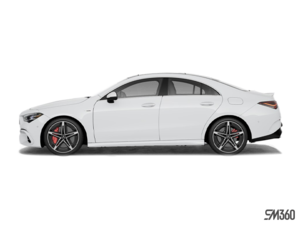

2026 Mercedes-Benz GLC: What Suspension System Does It Use?
April 06 2026,

Suspension systems are fundamental to how a luxury SUV delivers comfort, control, and driving confidence. In the new Mercedes-Benz GLC, the suspension is engineered to provide a refined balance between smooth ride quality and responsive handling. As expectations for premium vehicles continue to increase, modern suspension systems must do more than absorb road imperfections—they must actively adapt to driving conditions and driver inputs.
The GLC represents a sophisticated approach to chassis engineering, combining advanced mechanical design with electronic control systems. Whether navigating city streets, highways, or uneven terrain, the suspension system plays a central role in maintaining stability, comfort, and overall driving dynamics.
Balance and Comfort
The Mercedes-Benz GLC uses an independent suspension system with a four-link front suspension and a multi-link rear suspension, supported by coil springs or an available air suspension system (AIRMATIC) with adaptive damping. This setup provides a balance of comfort, handling precision, and real-time adjustability.
Detailed Technical Explanation
Suspension Architecture
The suspension system in the Mercedes-Benz GLC is fully independent, meaning each wheel moves independently to improve ride comfort and handling.
The system includes:
- Four-link front suspension
- Multi-link rear suspension
- Coil springs or air springs (AIRMATIC)
- Shock absorbers (dampers)
- Stabilizer bars
- Control arms and bushings
- Adaptive damping system
This architecture allows precise control over wheel movement and vehicle dynamics.
Front Suspension: Four-Link Design
Structure and Function
The front suspension uses a four-link configuration, which separates different forces acting on the wheel into individual links.
Key Components
Control Arms
Multiple control arms manage:
- Vertical movement
- Lateral forces
- Longitudinal forces
Steering Integration
The steering system is integrated into the suspension geometry, allowing precise directional control.
Advantages
- Improved handling precision
- Better isolation of road vibrations
- Enhanced steering feedback
Rear Suspension: Multi-Link System
Design Overview
The rear suspension uses a multi-link configuration, consisting of several control arms that manage wheel movement in multiple directions.
Components
Upper and Lower Links
Control vertical motion and maintain alignment.
Lateral Links
Manage side-to-side forces during cornering.
Trailing Arm
Controls forward and backward wheel movement.
Benefits
- Improved ride comfort
- Greater stability
- Enhanced handling performance
Coil Spring Suspension
Standard Configuration
In standard versions, the GLC uses coil springs at all four wheels.
Function
- Support vehicle weight
- Absorb road impacts
- Maintain ride height
Characteristics
- Durable and reliable
- Tuned for comfort and stability
AIRMATIC Air Suspension (Optional)
Air Suspension
The GLC offers an optional AIRMATIC air suspension system, which replaces coil springs with air springs.
Components
- Air springs
- Air compressor
- Reservoir
- Electronic control unit
Operation
Air pressure within the springs is adjusted to control ride height and stiffness.
Benefits
- Adjustable ride height
- Improved comfort over rough surfaces
- Enhanced stability at higher speeds
Adaptive Damping System
Function
The suspension includes adaptive dampers that adjust damping force in real time.
Inputs
- Vehicle speed
- Steering input
- Road conditions
- Acceleration and braking
Operation
The system continuously adjusts damping characteristics to optimize comfort and handling.
Benefits
- Softer ride on uneven roads
- Firmer response during dynamic driving
- Improved overall stability
Stabilizer Bars (Anti-Roll Bars)
Function
Stabilizer bars connect the left and right wheels to reduce body roll during cornering.
Operation
When the vehicle leans, the stabilizer bar resists the motion, keeping the body more level.
Impact
- Improved cornering stability
- Increased driver confidence
- Enhanced passenger comfort
Bushings and Noise Isolation
Purpose
Bushings are flexible components placed between suspension parts to absorb vibrations and reduce noise.
Materials
Made from rubber or advanced elastomers.
Benefits
- Reduced road noise
- Smoother ride
- Increased durability
Electronic Integration and Drive Modes
Drive Mode System
The suspension works in conjunction with selectable drive modes.
Adjustments May Include
- Damping stiffness
- Ride height (with air suspension)
- Steering response
Coordinated Systems
The suspension integrates with:
- Stability control
- Traction control
- All-wheel drive system
This allows the vehicle to adapt to different driving conditions.
All-Wheel Drive and Suspension Interaction
Torque Distribution
In all-wheel-drive configurations, torque is distributed between front and rear wheels.
Suspension Role
Maintains tire contact with the road, improving traction and stability.
Benefits
- Enhanced control on slippery surfaces
- Improved handling
- Greater driving confidence
Ride Comfort vs Handling Balance
Comfort-Oriented Design
The GLC prioritizes a smooth and refined ride for passengers.
Handling Precision
At the same time, the suspension ensures:
- Stable cornering
- Controlled body movement
- Responsive steering
Engineering Balance
Achieved through careful tuning of:
- Spring characteristics
- Damping response
- Suspension geometry
Structural Integration
Chassis Rigidity
The suspension is mounted to a rigid structure that enhances stability and reduces flex.
Benefits
- Improved handling precision
- Reduced vibrations
- Enhanced durability
Maintenance and Longevity
Routine Inspection
Key components to monitor include:
- Shock absorbers
- Bushings
- Control arms
- Alignment
Signs of Wear
- Uneven tire wear
- Excessive body movement
- Noise over bumps
Service Importance
Regular inspection ensures consistent performance and safety.
Evolution of the GLC Suspension
Previous Generations
Earlier models focused on comfort with less electronic integration.
2026 Advancements
- Improved adaptive damping
- Enhanced air suspension capabilities
- Better integration with vehicle electronics
These updates contribute to a more refined driving experience.
Real-World Driving Scenarios
Urban Driving
- Smooth absorption of road imperfections
- Easy maneuverability
Highway Driving
- Stable ride at higher speeds
- Reduced body motion
Uneven or Rough Roads
- Air suspension adjusts ride height
- Adaptive damping improves comfort
Engineering Philosophy
Comfort and Innovation
The suspension is designed to deliver both comfort and advanced functionality.
Integration
Mechanical and electronic systems work together seamlessly.
Driver Experience
Focuses on providing a smooth, stable, and controlled ride.
2026 Mercedes-Benz GLC: A Modern SUV
The Mercedes-Benz GLC uses a sophisticated suspension system that blends advanced mechanical design with modern electronic control. By combining a four-link front suspension, multi-link rear setup, and optional air suspension with adaptive damping, it delivers a refined balance of comfort, stability, and performance.
FAQ Section
What type of suspension does the 2026 Mercedes-Benz GLC use?
- It uses an independent suspension system with a four-link front setup and a multi-link rear configuration.
Does the GLC have air suspension?
- Yes, it offers an optional AIRMATIC air suspension system.
What is adaptive damping?
- It is a system that adjusts shock absorber stiffness in real time based on driving conditions.
Are coil springs used in the suspension?
- Yes, coil springs are used in standard configurations, while air springs are available as an option.
How does the suspension improve ride quality?
- It combines advanced geometry, adaptive damping, and optional air suspension to absorb road imperfections and maintain stability.
*Disclaimer: Content contained in this post is for informational purposes only and may include features and options from US or internacional models. Please contact the dealership for more information or to confirm vehicle, feature availability.*