
2026 Mercedes-Benz GLE: What Brake System Does It Use?
April 20 2026,
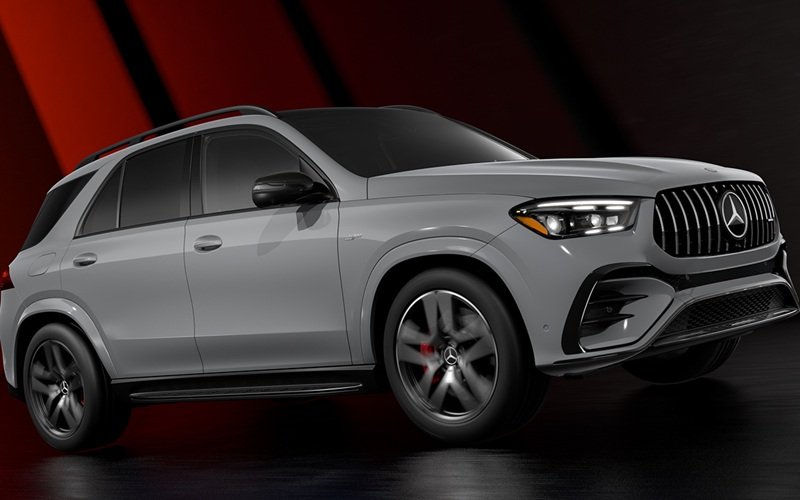
Braking systems are among the most critical components in a luxury SUV, particularly in a vehicle like the Mercedes-Benz GLE, which delivers strong performance, refined comfort, and confident control across a wide range of driving conditions. Whether navigating urban traffic, descending steep grades, or travelling at highway speeds, the braking system must provide consistent stopping power, smooth modulation, and advanced safety integration.
Modern brake systems are no longer purely mechanical. They combine robust hardware with intelligent electronic systems that continuously monitor vehicle dynamics and adjust braking force in real time. In the Mercedes-Benz GLE, this integration results in a highly advanced braking system engineered for safety, durability, and precision.
2026 Mercedes-Benz GLE Brake System Architecture
The braking system in the Mercedes-Benz GLE is a hydraulic disc braking system enhanced by electronic control technologies. It provides strong, consistent stopping performance while integrating with driver assistance and stability systems.
The system includes:
- Four-wheel disc brakes
- Ventilated brake rotors
- Hydraulic braking circuit
- Electromechanical brake booster
- Electronic braking control systems
- Regenerative braking (in hybrid models)
These components work together to ensure optimal braking performance under varying conditions.
Four-Wheel Ventilated Disc Brakes
Disc Brake Design
The GLE uses disc brakes on all four wheels. When the driver presses the brake pedal, hydraulic pressure forces brake pads against rotating discs (rotors), creating friction that slows the vehicle.
Key Components
Brake Rotors
Rotors are metal discs attached to each wheel. They rotate with the wheels and provide a surface for braking friction.
Brake Calipers
Callipers house the brake pads and apply pressure to the rotors.
Brake Pads
Brake pads are made from high-friction materials designed to withstand high temperatures and repeated use.
Advantages
- Consistent braking performance
- Effective heat dissipation
- Reduced brake fade during repeated braking
Ventilated Rotor Design
Function
Ventilated rotors feature internal channels that allow air to circulate through them.
Benefits
- Improved cooling
- Reduced risk of overheating
- Maintained braking efficiency under heavy loads
This is particularly important in a large SUV that may carry passengers and cargo.
Hydraulic Brake System
Master Cylinder
The master cylinder converts brake pedal force into hydraulic pressure.
Brake Lines
Hydraulic fluid transmits pressure from the master cylinder to each wheel.
Brake Fluid
The system uses a specialized fluid designed to:
- Resist boiling at high temperatures
- Maintain consistent pressure
- Prevent corrosion
Operation
Pressing the brake pedal generates hydraulic pressure that activates the callipers and applies braking force.
Electromechanical Brake Booster
Function
The GLE uses an electromechanical brake booster, which replaces traditional vacuum-assisted systems.
Operation
- Uses electric assistance to amplify braking force
- Responds quickly to driver input
- Integrates with electronic safety systems
Benefits
- Faster response time
- Improved efficiency
- Enhanced compatibility with driver assistance features
Anti-Lock Braking System (ABS)
Function
ABS prevents wheel lock-up during hard braking.
Operation
- Wheel speed sensors monitor rotation
- Brake pressure is modulated rapidly
- Maintains steering control
Benefits
- Improved stability
- Better control in emergency situations
Electronic Brake-Force Distribution (EBD)
Purpose
EBD adjusts braking force between front and rear wheels.
Operation
- Distributes pressure based on load and conditions
- Ensures balanced braking
Importance
Enhances stability and braking efficiency, especially when carrying varying loads.
Brake Assist System
Function
Brake assist detects emergency braking based on pedal input speed.
Operation
- Automatically increases braking force
- Helps achieve maximum stopping power
Outcome
Reduces stopping distance in critical situations.
Electronic Stability Control (ESC)
Integration with Brakes
ESC works with the braking system to maintain vehicle stability.
Operation
- Applies braking to individual wheels
- Adjusts engine output
- Helps correct loss of control
Benefits
- Improved handling
- Increased safety in challenging conditions
Traction Control System
Function
Prevents wheel spin during acceleration.
Interaction with Brakes
Applies braking force to slipping wheels to restore traction.
Importance
Enhances control on slippery surfaces.
Regenerative Braking (Electrified Models)
Function
In hybrid and mild-hybrid versions of the GLE, regenerative braking recovers energy.
Operation
- Electric motor acts as a generator
- Converts kinetic energy into electrical energy
- Stores energy in a battery
Blended Braking
The system combines regenerative and mechanical braking:
- Regenerative braking handles light deceleration
- Mechanical brakes provide additional stopping power
Benefits
- Improved efficiency
- Reduced brake wear
- Enhanced energy management
Brake Pedal Feel and Modulation
Pedal Characteristics
The brake pedal is tuned to provide:
- Smooth and progressive response
- Precise control
- Consistent feedback
System Coordination
Electronic systems ensure that braking force matches driver input accurately.
Parking Brake System
Electronic Parking Brake (EPB)
The GLE uses an electronic parking brake.
Operation
- Activated electronically
- Applies rear brakes to hold the vehicle stationary
Features
- Automatic engagement in certain conditions
- Integration with driver assistance systems
Brake Cooling and Thermal Management
Heat Generation
Braking generates heat due to friction.
Cooling Methods
- Ventilated rotors
- Airflow through wheel design
- Heat-resistant materials
Importance
Maintaining proper temperatures prevents brake fade and ensures consistent performance.
Maintenance and Service Considerations
Brake Pad Wear
Brake pads wear over time and should be inspected regularly.
Rotor Condition
Rotors should be checked for:
- Surface wear
- Warping
- Heat damage
Brake Fluid Maintenance
Brake fluid should be replaced periodically to maintain system performance.
System Monitoring
Sensors monitor braking performance and alert the driver to potential issues.
Performance in Different Driving Conditions
Urban Driving
- Smooth and responsive braking
- Frequent stop-and-go operation
Highway Driving
- Stable braking at higher speeds
- Consistent stopping performance
Heavy Load Conditions
- Balanced braking through EBD
- Enhanced control with ABS and ESC
Real-World Driving Scenarios
Wet or Slippery Roads
- ABS prevents wheel lock
- ESC maintains stability
Emergency Braking
- Brake assist maximizes stopping power
- Electromechanical booster improves response
Long Descents
- Ventilated rotors dissipate heat
- System maintains consistent performance
Engineering Philosophy
Safety and Precision
The braking system is designed to provide reliable and precise stopping performance.
Integration
Mechanical and electronic systems work together seamlessly.
Efficiency
Regenerative braking in electrified models improves overall efficiency.
2026 Mercedes-Benz GLE FAQ Section
What type of brakes does the 2026 Mercedes-Benz GLE use?
- It uses a four-wheel ventilated disc brake system with hydraulic actuation and electronic control.
Does the GLE have anti-lock brakes?
- Yes, it includes an anti-lock braking system to prevent wheel lock during hard braking.
What is an electromechanical brake booster?
- It is an electrically assisted system that enhances braking force and improves response time.
Does the GLE use regenerative braking?
- Yes, electrified models use regenerative braking to recover energy during deceleration.
Is the parking brake electronic?
- Yes, the GLE uses an electronic parking brake system.
*Disclaimer: Content contained in this post is for informational purposes only and may include features and options from US or internacional models. Please contact the dealership for more information or to confirm vehicle, feature availability.*