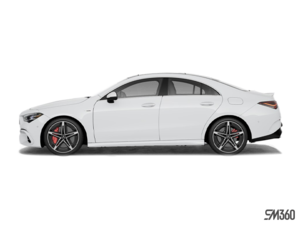

2026 Mercedes-Benz GLE: What Brake System Does It Use?
May 18 2026,

The new Mercedes-Benz GLE has a comprehensive braking system designed to ensure controlled deceleration, vehicle stability, and safety under a wide range of driving conditions. The system combines hydraulic braking hardware with advanced electronic control systems to optimize braking performance. It is engineered to integrate with driver-assistance technologies and, in certain configurations, with electrified powertrain components.
2026 Mercedes-Benz GLE Brake System
The braking system in the Mercedes-Benz GLE is hydraulically actuated and electronically controlled. It integrates mechanical components with digital control modules to enhance performance and safety.
Key Objectives
- Provide reliable stopping power
- Maintain vehicle stability
- Optimize brake force distribution
- Integrate with safety and driver assistance systems
Core Mechanical Components
Disc Brake Configuration
Layout
The vehicle uses ventilated disc brakes on all four wheels.
Components
- Brake discs (rotors)
- Brake calipers
- Brake pads
Function
When the brake pedal is pressed:
- Hydraulic pressure is applied to the callipers
- Brake pads clamp onto the rotating discs
- Friction converts kinetic energy into heat
Brake Calipers
Design
- Multi-piston callipers (in higher-performance variants)
- Floating callipers (in standard configurations)
Operation
Callipers apply force evenly across the brake pads to ensure consistent braking performance.
Brake Pads
Material Composition
- Friction materials designed for durability and heat resistance
- Engineered to maintain performance across temperature ranges
Wear Characteristics
Brake pads gradually wear and require periodic replacement.
Hydraulic System
Brake Master Cylinder
Function
The master cylinder converts pedal force into hydraulic pressure.
Operation
- Brake pedal input compresses fluid
- Pressure is transmitted through brake lines
- Fluid reaches each calliper
Brake Lines and Fluid
Characteristics
- High-pressure hydraulic lines
- Brake fluid with high boiling point
Function
- Transmits force from master cylinder to the callipers
- Maintains consistent braking response
Electronic Brake Control Systems
Anti-lock Braking System (ABS)
Function
ABS prevents wheel lock-up during braking.
Operation
- Monitors wheel speed sensors
- Modulates brake pressure
- Maintains steering control
Electronic Stability Control (ESC)
Purpose
ESC enhances vehicle stability during cornering or when traction is lost.
Functionality
- Applies braking to individual wheels
- Adjusts engine output
- Maintains directional control
Brake Assist System (BAS)
Function
Detects emergency braking situations and increases brake pressure.
Operation
- Recognizes rapid pedal input
- Amplifies braking force
- Reduces stopping distance
Brake-by-Wire System
System Overview
Some variants of the Mercedes-Benz GLE use a brake-by-wire system, replacing direct mechanical linkage with electronic control.
Components
- Pedal sensors
- Electronic control unit
- Actuators
Functionality
- Interprets driver input electronically
- Applies braking force via actuators
- Enables integration with automated systems
Regenerative Braking (Hybrid Models)
Energy Recovery
In hybrid configurations, braking energy is partially converted into electrical energy.
Operation
- Electric motor acts as generator during deceleration
- Energy is stored in battery
- Reduces reliance on friction brakes
Integration
The system blends:
- Regenerative braking
- Hydraulic braking
Brake Force Distribution
Electronic Brakeforce Distribution (EBD)
Function
EBD adjusts braking force between front and rear wheels.
Benefits
- Improved stability
- Reduced stopping distance
- Balanced braking performance
Load and Weight Transfer
During braking:
- Weight shifts to the front axle
- System compensates by adjusting pressure distribution
Thermal Management
Heat Generation
Braking generates heat due to friction.
Cooling Mechanisms
- Ventilated discs
- Airflow through wheel design
Performance Considerations
- Prevents brake fade
- Maintains consistent braking force
Sensor Systems
Wheel Speed Sensors
Monitor rotation of each wheel.
Brake Pressure Sensors
Measure hydraulic pressure levels.
Pedal Position Sensors
Detect driver input in brake-by-wire systems.
Integration with Driver Assistance Systems
Advanced Safety Features
The braking system supports:
- Collision mitigation braking
- Adaptive cruise control braking
- Automatic emergency braking
Autonomous Intervention
The system can apply brakes automatically when required by safety systems.
Parking Brake System
Electronic Parking Brake (EPB)
Function
Replaces traditional mechanical handbrake.
Operation
- Activated electronically
- Applies rear brakes via electric motors
Additional Features
- Auto-hold function
- Automatic release during acceleration
Maintenance Considerations
Routine Inspection
- Brake pads and discs
- Fluid condition
- Sensor functionality
Fluid Replacement
Brake fluid must be replaced periodically to maintain performance.
Diagnostics
At service centers such as Mercedes-Benz Barrie, diagnostic tools are used to:
- Check system pressure
- Evaluate sensor data
- Monitor electronic control systems
Failure Modes
Mechanical Issues
- Worn brake pads
- Warped discs
- Fluid leaks
Electronic Issues
- Sensor malfunction
- Control module faults
Symptoms
- Reduced braking performance
- Warning indicators
- Irregular pedal feel
Engineering Design Considerations
Safety
The system is designed with redundancy and fail-safe mechanisms.
Precision
Electronic control ensures accurate braking force distribution.
Efficiency
Integration with hybrid systems improves energy utilization.
At Mercedes-Benz Barrie, technicians evaluate braking performance using specialized diagnostic equipment to ensure proper system calibration.
System Limitations
- Performance depends on component condition
- Heat buildup can affect braking efficiency
- Electronic systems rely on sensor accuracy
2026 Mercedes-Benz FAQ
What type of brakes does the 2026 Mercedes-Benz GLE use?
It uses a four-wheel ventilated disc brake system with electronic control systems.
Does the GLE include ABS?
Yes, it includes an Anti-lock Braking System to prevent wheel lock-up.
What is brake-by-wire?
It is a system where braking input is processed electronically rather than mechanically.
Does the GLE support regenerative braking?
Yes, hybrid models include regenerative braking to recover energy.
What maintenance is required for the brake system?
Maintenance includes inspecting pads and discs, replacing brake fluid, and performing system diagnostics.
*Disclaimer: Content contained in this post is for informational purposes only and may include features and options from US or internacional models. Please contact the dealership for more information or to confirm vehicle, feature availability.*